
Focus on DRC: Sexual Abuse

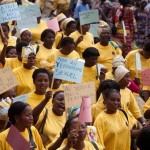
Image via trendsupdates.com
Although the Second Congo War (sometimes referred to as the “African World War”) officially ended in 2003, the Democratic Republic of Congo (DRC) remains a combat zone. Pervasive sexual and gender-based violence continues throughout the country, especially in the North Kivu and South Kivu provinces. Just this past August, reports emerged from the Walikale territory in the North Kivu province about a mass rape of over 300 women, girls, men, and boys by armed groups fighting the DRC. Adding to the inherent horror of the situation is the reality that peacekeeping forces stationed nearby failed to protect the victims. In a field news report filed by Doctors Without Borders/Médecins Sans Frontières, mental health worker Joelle Depeyrot discussed the lasting impact of the attacks on the local population:
Since these incidents, other patients have come to us in a state of agitation and fear. They were not there. But they have lived through other horrific events. And they have heard the stories. They report being scared, scared all the time. They spend their time wondering when they will be tortured and killed.
According to the United Nations Population Fund, 7,700 acts of sexual violence were reported during the first half of this year alone—and those numbers only reflect reported acts, where women were brave enough to come forward about being attacked. Identifying publicly as a sexual violence victim/survivor is no easy task. As Donald Payne and Helene Gayle write, “social attitudes often condone violence against women, and stigmatize and blame the survivor. Survivors are ostracized from their families and communities, and in some situations, forced to marry their abusers.” Despite increased international scrutiny and a slew of U.N. resolutions that set out concrete measures to protect women and girls in conflict, the wave of sexual abuse seems to be cresting higher rather than abating.
How can we break this violent cycle of abuse?
In Forced Migration Review, Jessica Keralis highlights the work of gynecological surgeon Dr. Denis Mukwege, the so-called “angel of Bukavu” for his work treating rape victims in South Kivu. As the only gynecologist in the area, the number of patients he sees is staggering:
As of October 2008, he had treated over 21,000 rape victims, many of them repeat victims. Most of the patients are cared for under the hospital’s Victims of Sexual Violence programme. Of the 334 beds at the hospital, 200 are allocated to this programme, and it not uncommon to have 450 sexual assault survivors in the hospital at any given time. Women and girls arrive every day for treatment but the hospital can only accept 10-12 new patients each day; the rest are asked to return the following day. One third of the women admitted to Panzi require major surgery. Dr. Mukwege treats 3,600 women per year and performs approximately 1,000 reconstructive surgeries per year.
He would like to see a multi-faced approach to combating sexual violence in the DRC, namely enforcing existing laws and ending impunity; integrating education on civilian protection and sexual violence into military training; and working to change the culture to encourage victims to come forward. As he says,
A key step in this process would be clear and audible condemnation of the violence by the Congolese government, which Dr. Mukwege complains is too often silent on the issue. ‘The problem is known but the government is inaudible. …It doesn’t need money to condemn the rape – they would need only a microphone and the will.’
As we’ve written about before, the SFCG-produced reality TV show Tosalel’ango (“Let’s Do It!”) offered survivors a chance to do just that: come forward and tell their stories, specifically about abuse that occurs in Congolese schools. As a result, local officials responded with an investigation and promises to follow through on the issue. The two Congolese youth who approached SFCG about doing the episode hope that it will spur a national response, as well.
Search is also reaching out to the Congolese military through its Mobile Cinema program, “training committees of reform-minded…soldiers to raise awareness of human rights and reform in their own battalions.” Check back later this afternoon for more about this project!


Trackbacks and Pingbacks
Comments are closed.