
Bahrain sentences 8 activists to life in prison

A Bahraini woman holds a scarf reading "I love my country" as thousands take part in a rally in Sitra (Adam Jan, AFP, Getty Images)
Earlier this month, we presented our interview with Ahlam, a Bahraini activist and former SFCG intern. Ahlam gave us a first-hand account of the recent pro-democracy protests in her country. Although martial law was lifted in early June, the crackdown on protesters continues. Yesterday, the Bahraini government sentenced eight activists to life in prison on charges of plotting to overthrow the monarchy. Three other dissidents were sentenced to jail terms ranging in length from two to fifteen years.
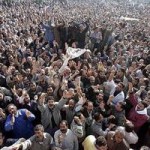
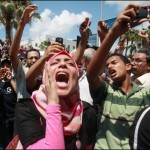
The sentences indicate that the ruling Sunni-Muslim family will not tolerate unrest among the Shia-majority population, which is demanding an end to discrimination. Several of the arrested are respected dissidents and their arrests are likely to spur fresh protests. The sentences came just one week before Bahraini government leaders were expected to meet with Shiite leaders at the urging of the US to end abuses against protesters who were inspired by the revolutions in Tunisia and Egypt. Since the protests began in February, thirty-two people have been killed and hundreds have been arrested.
Those sentenced include Abdulhadi Alkhawaja, Abdul Jalil Singace and Hassan Mushaima, a prominent Shia political leader, who like many Bahrainis, returned home from self-exile after the royal family gave assurances that activists would not be persecuted.
The Bahrain Center for Human Rights issued a statement saying: “When the sentence was read out, Abdulhadi Alkhawaja spoke loudly and said the people will continue their struggle for their rights. He was beaten and removed from court, his family fears for his health as he was already suffering from the fractures on his face.”
President Obama met this month with Bahrain’s Crown Prince Salman ibn Hamed Khalifa, who is more moderate than the king, to press for a national dialogue. However, Wednesday’s arrests and the upcoming trials of doctors and nurses who aided wounded protesters indicate that the chances of a successful dialogue are slim.



Comments are closed.