Lebanon: Resolving conflict through a… video game?
By The SFCG Lebanon Team
What’s the first thing that comes to your mind when video games such as Call of Duty, Bullet Storm and MadWorld are mentioned? Most people would probably say violence, guns and conflict.
Search is looking to change all of that.
At Search, we are always looking for innovative ways to promote conflict transformation and peacebuilding. We know from experience that popular culture is a powerful way of conveying messages such as acceptance of the “other” and tolerance without causing people to lose interest.
Our aim with our new video game, Cedaria: Blackout, is to provide the youth in the Middle East a platform to learn and practice how to mediate conflict, solve community problems collaboratively, and understand the perspectives of the “other”.
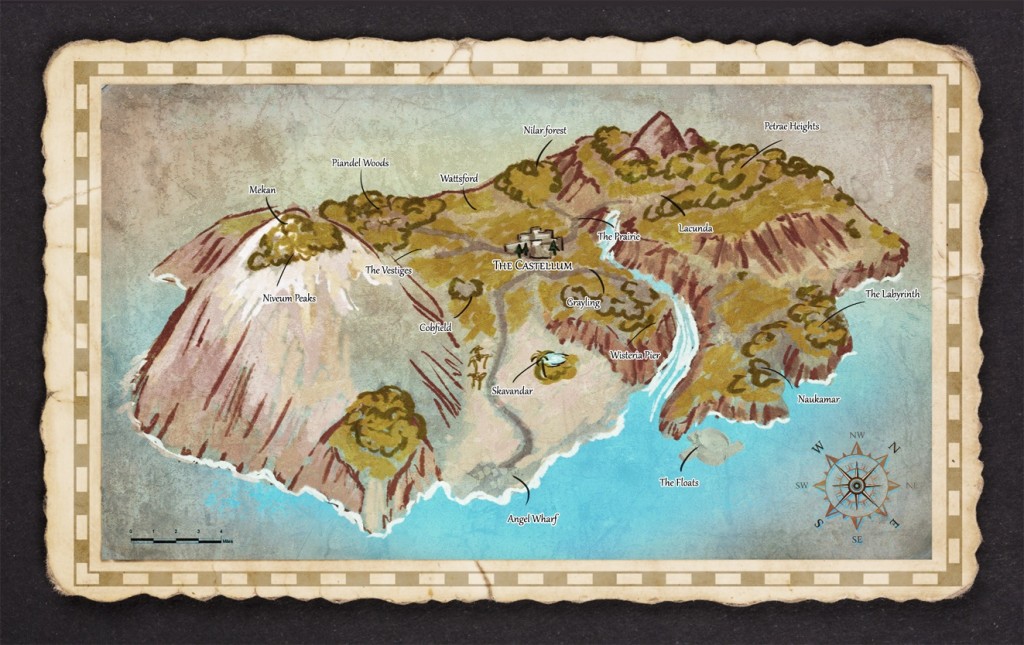
At a time of escalating violence in the region, we believe that gaming is an effective and innovative tool to reach out to young people and promote non-violent behavior without being boring or patronizing.
This idea is supported by studies showing that skills learned while playing video games are transferable to real life situations. If in a virtual world players can explore options that go beyond socially accepted norms, they will be more inclined to replicate similar behaviors in their everyday life.
Lebanon and the Middle East
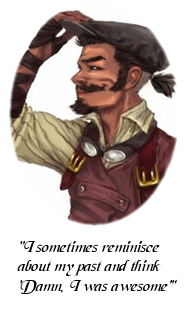
Living in the Middle East, one can’t help but wonder why there aren’t more initiatives similar to this one. People of all ages own smartphones and use them to play video games. A colleague once mentioned that during the civil war, he and his cousins were spending time playing video games and this became their most lasting memory from that period of their life. That’s when we knew we had to turn our idea into reality!
With traditional peacebuilding activities we tend to focus on the same target group, but a video game would allow us to reach a new audience. In the pre-production process, we
conducted a survey that highlighted how Lebanese youth spend several hours every day playing video games, reinforcing the notion that video games can be effective in youths’ daily lives. Video games also allow people from different backgrounds and sectarian groups to interact.
As a peacebuilding organization our expertise in creating a video game was limited. In order to make sure we could develop a truly entertaining video game, we teamed up with highly innovative game developers. Some of them had worked on violent games such as Assassin’s Creed and Far Cry, but found our project a breath of fresh air.
So what does it look like?
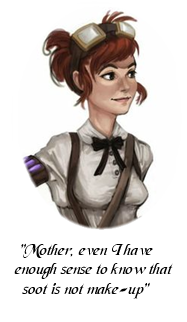 We wanted to ensure that the game was both educational and entertaining. We did so by combining:
- Dialogue designed with the constant feedback of our very own conflict resolution specialists to ensure we teach youth the necessary skills through experience and practice
- Game scenarios giving players the freedom to choose between cooperative and non-cooperative behavior in which they experience the consequences of their choices.
- Steampunk style that gives the characters an edgy look and allows us to explore certain dynamics that are characteristic of the Middle East without breaking the “suspension of disbelief.”
- Middle Eastern elements so that the players can identify with the game setting.
How to help us!
Search received funding from the Royal Netherlands Embassy in Beirut to develop the video game. However, in order to complete the game in line with the original vision we need additional funding. To this end we launched a crowd funding campaign on Kickstarter.
If you want to help us with this INNOVATIVE project in the Middle East you can do so by:
1. Donating to our project. It’s really simple:
– Go to Kickstarter.
– Click on “BACK THIS PROJECT” and register your profile.
– Choose the amount of your donation.
2. Helping us spread the word!
– Like our Facebook page and share it with your friends.
– Follow us on Twitter and tweet us to your followers.
– Watch us on YouTube.
– Read on our blog for updates.
__________________________________________________
SFCG Lebanon team believes that entertaining tools are the best way to engage youth for peace. They have implementing projects with youth in Lebanon since 2008 already producing two TV series to spread messages of tolerance and acceptance of “the other” while promoting a united Lebanese identity beyond sectarian lines.
#WagePeace: Time to change the world
By Jessica Murrey
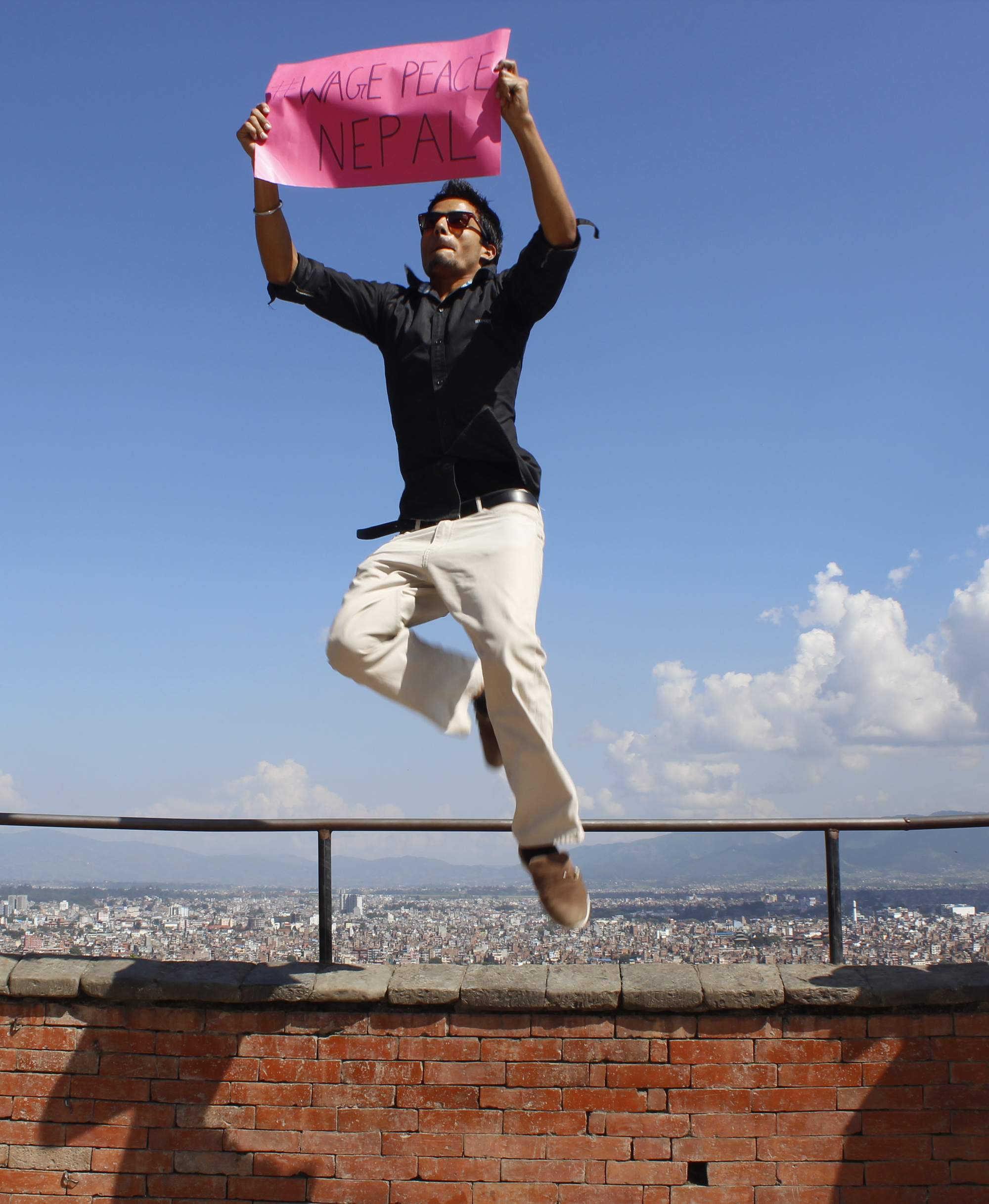 We have the power to change.
Between the violence in Syria and Egypt, the mass shootings in the US, the 1 in 3 women that face sexually based violence worldwide– we have to do more to end violence.
We can no longer afford to sit in the shadows and have peace be a wistful yearning of our hearts or sweet prayer on our lips. Peace isn’t something you just wish for– it’s something you wage. In honor of International Peace Day, Search and our friends from across the globe are taking action for peace, finding constructive solutions to the problems that plague us.
We are making the choice, in our daily lives, to respond with understanding, patience, and thoughtfulness to our conflicts. We are choosing to forgive instead of retaliate. To count to ten instead of erupting in anger. To humanize each other instead of demonize. We are choosing to start the change within ourselves with the aim of changing the world.
So join us! Tell us where you wage peace by using the hashtag #WagePeace! Whether it is in your relationships or in your country, share where you #WagePeace on Twitter, Facebook and Instagram. If you want to make sure we see it, tag us on Facebook (Search for Common Ground) or use our handle for Twitter and Instagram: @SFCG_.
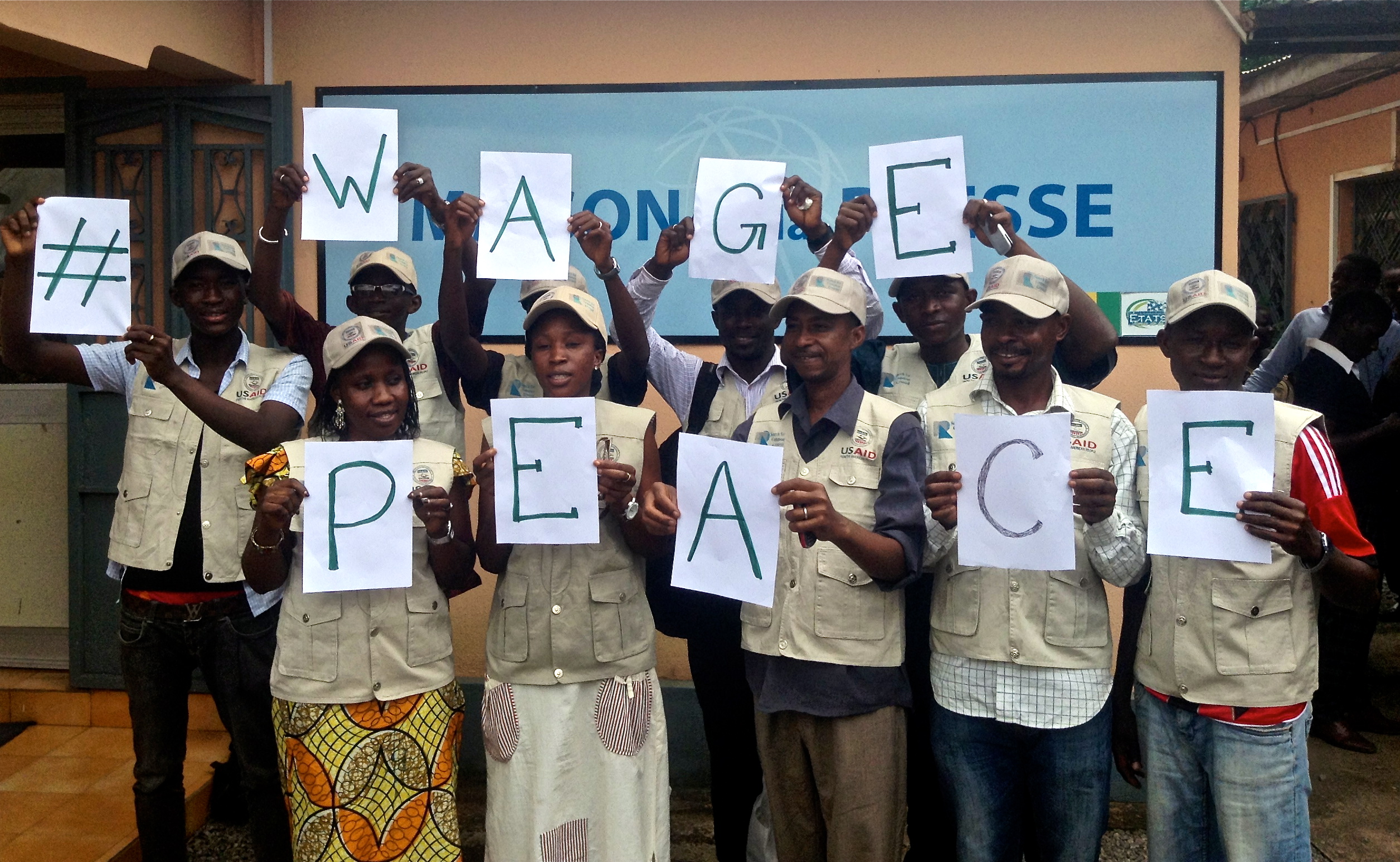
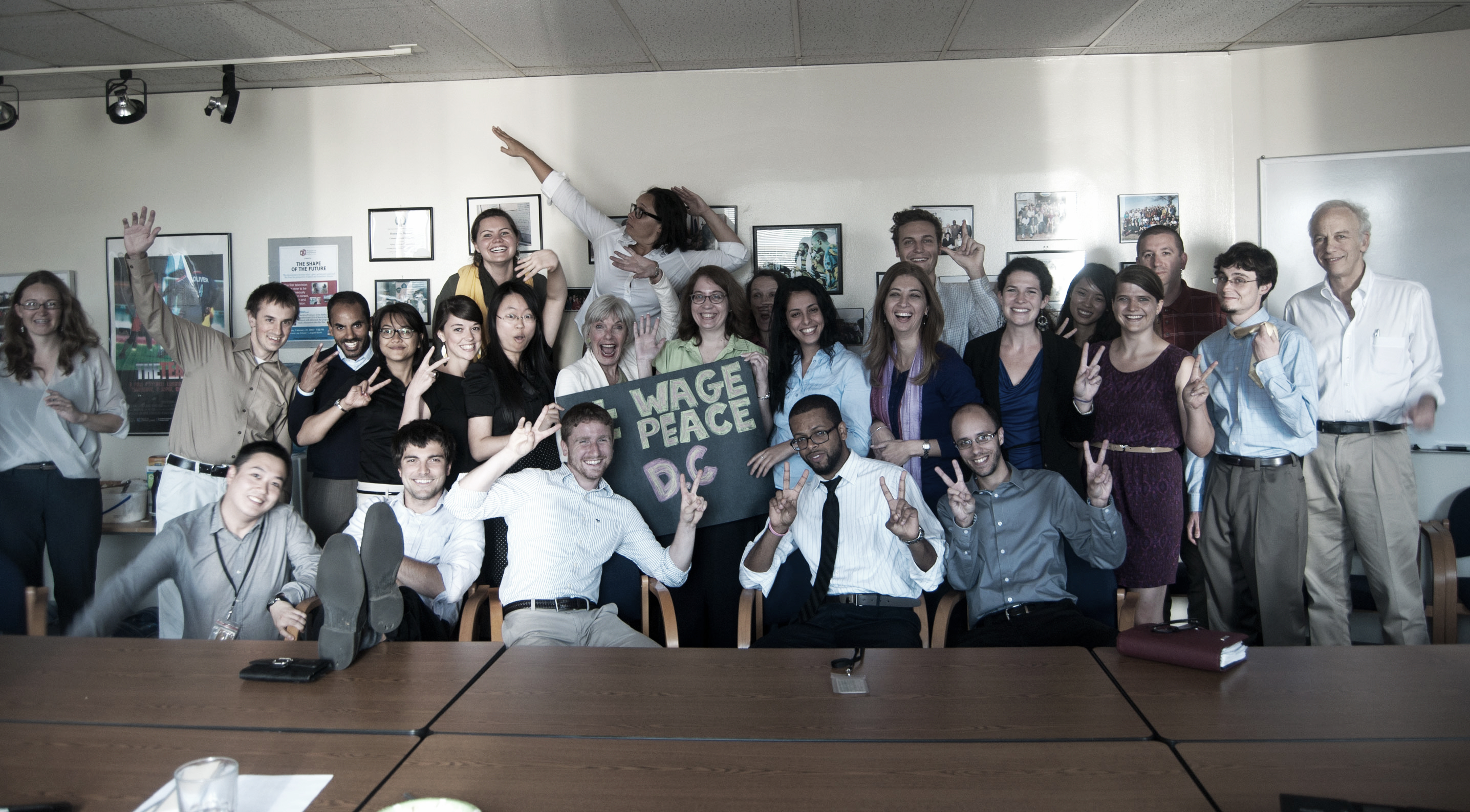
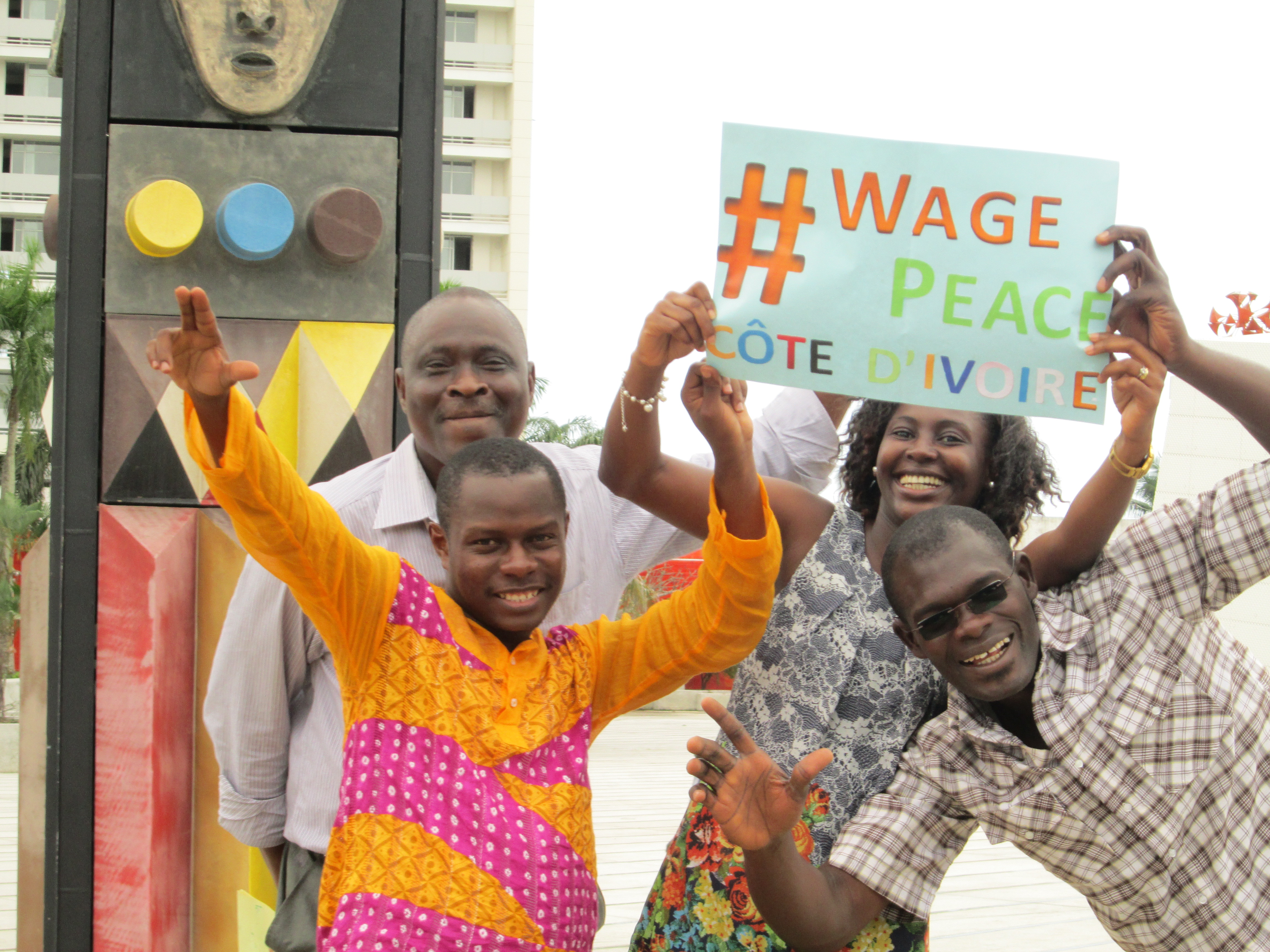
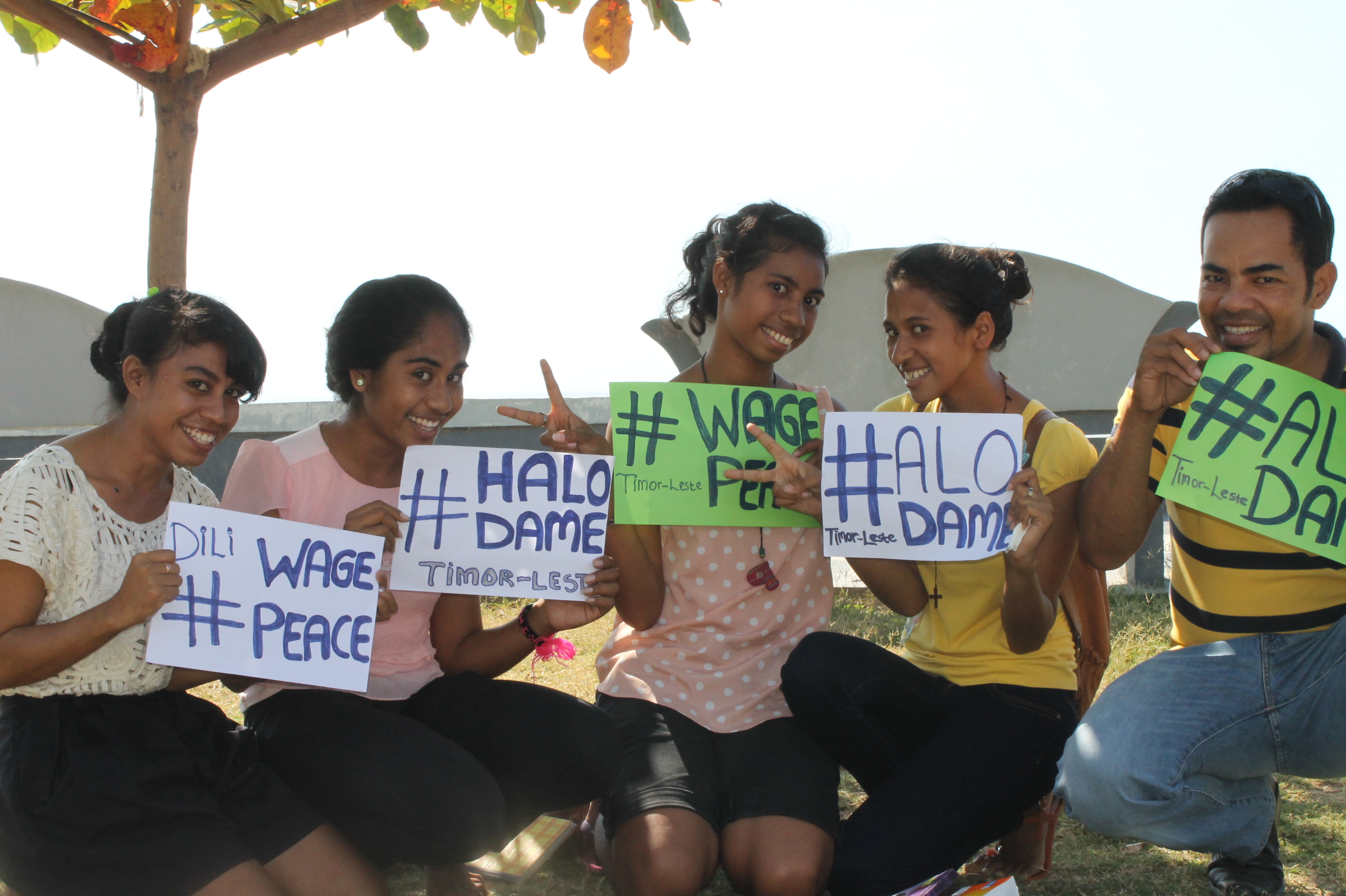
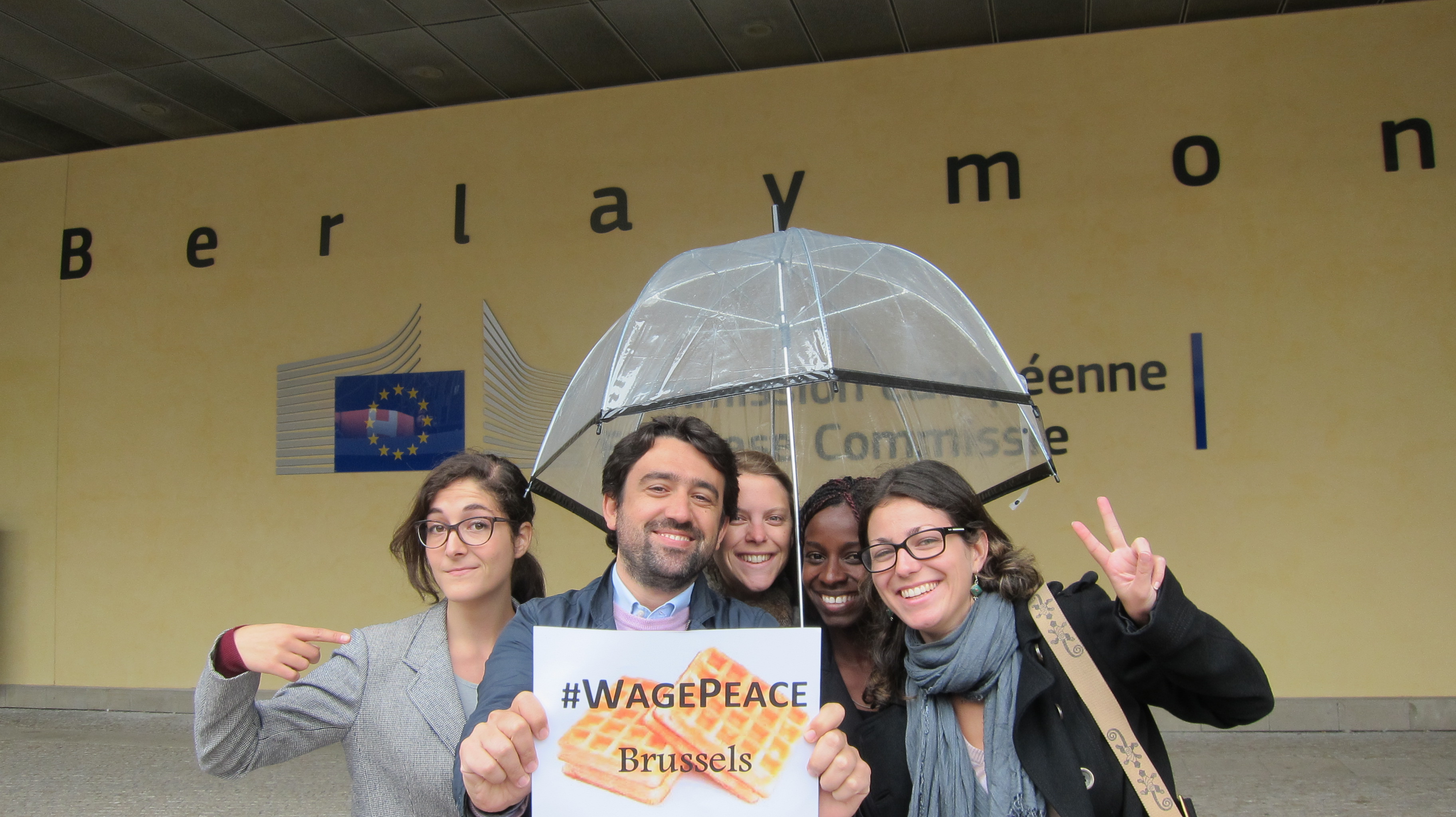

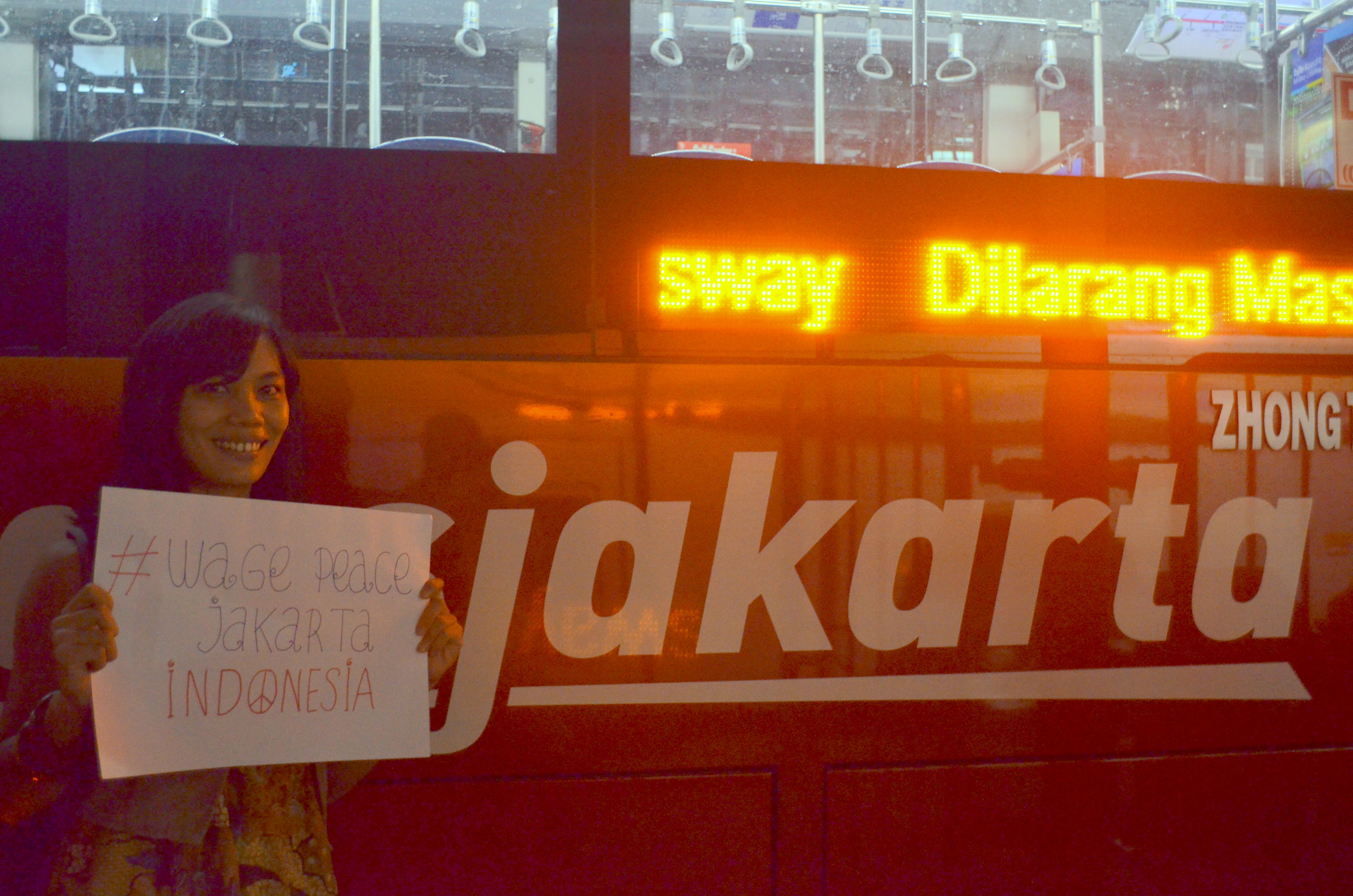
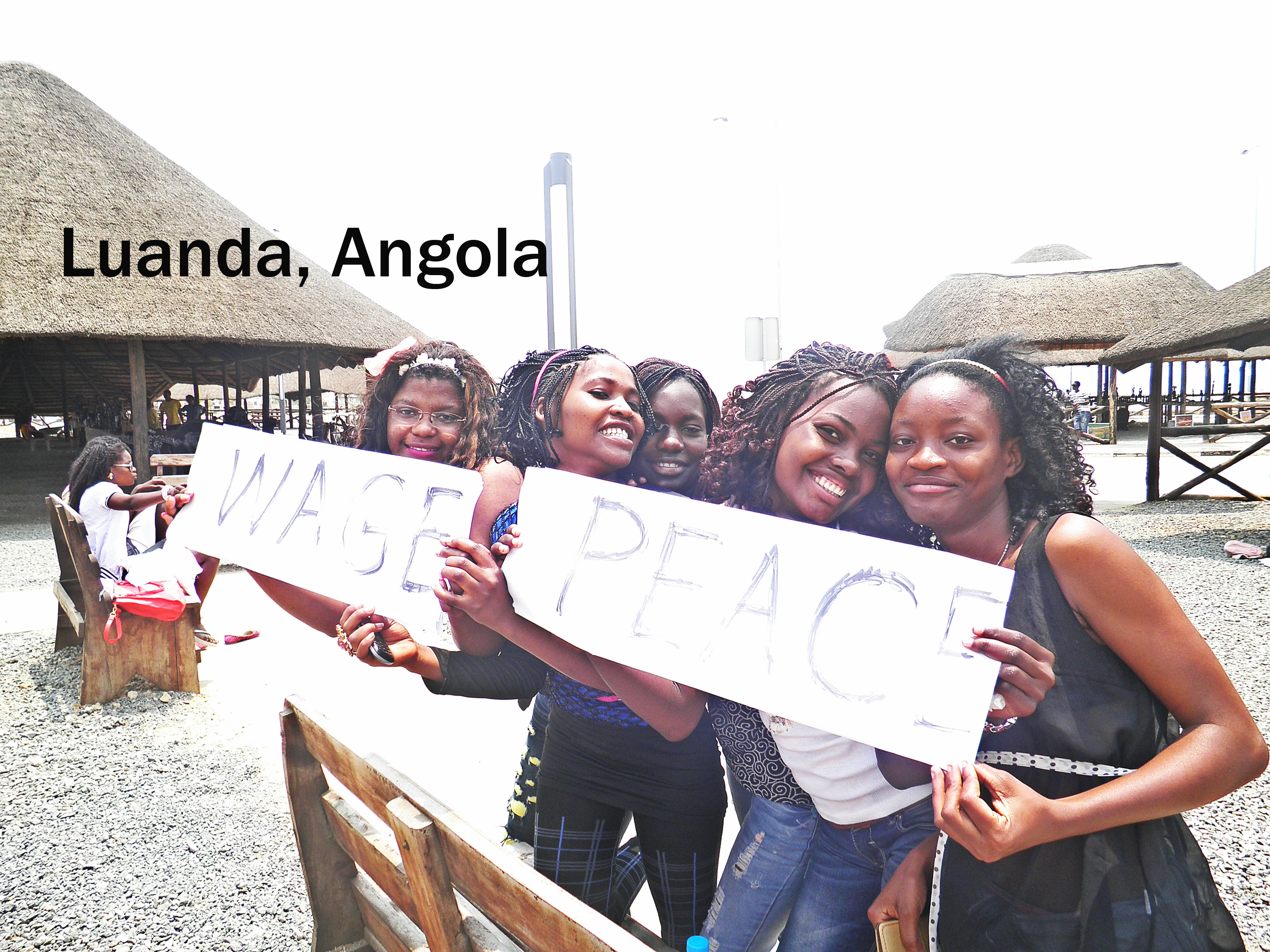
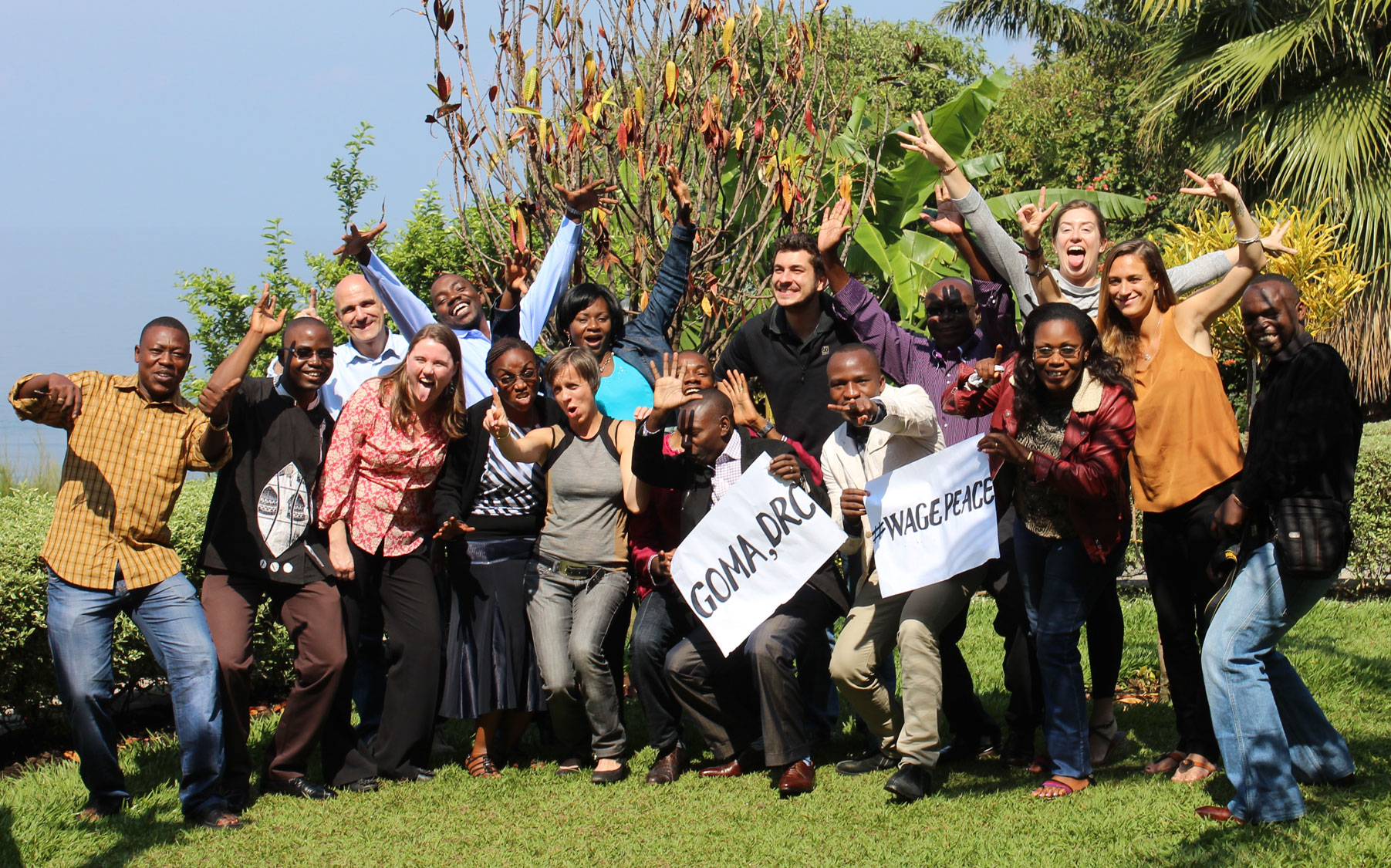
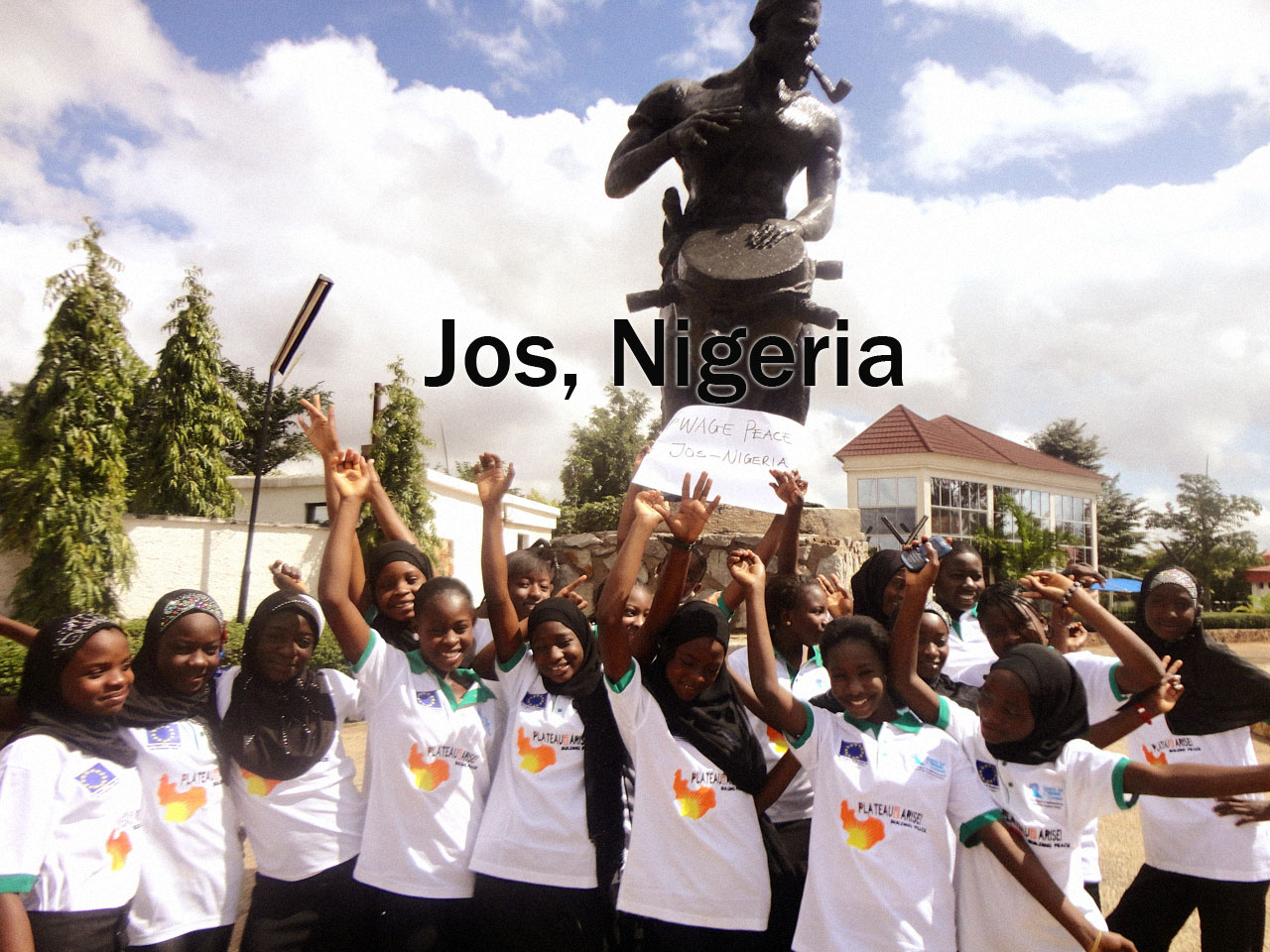
For more photos and fun, check out our Facebook page, click here!
_________________________________________
Jessica Murrey believes media is powerful tool in changing the world for the better. She studied journalism and international relations at the University of Nevada Las Vegas and worked in broadcast television, forming messages of awareness and prevention against domestic, drug and child abuse. She is currently the new media coordinator at SFCG.
Nepal: Woman radio host makes big splash over airwaves
By Jiyoung Han
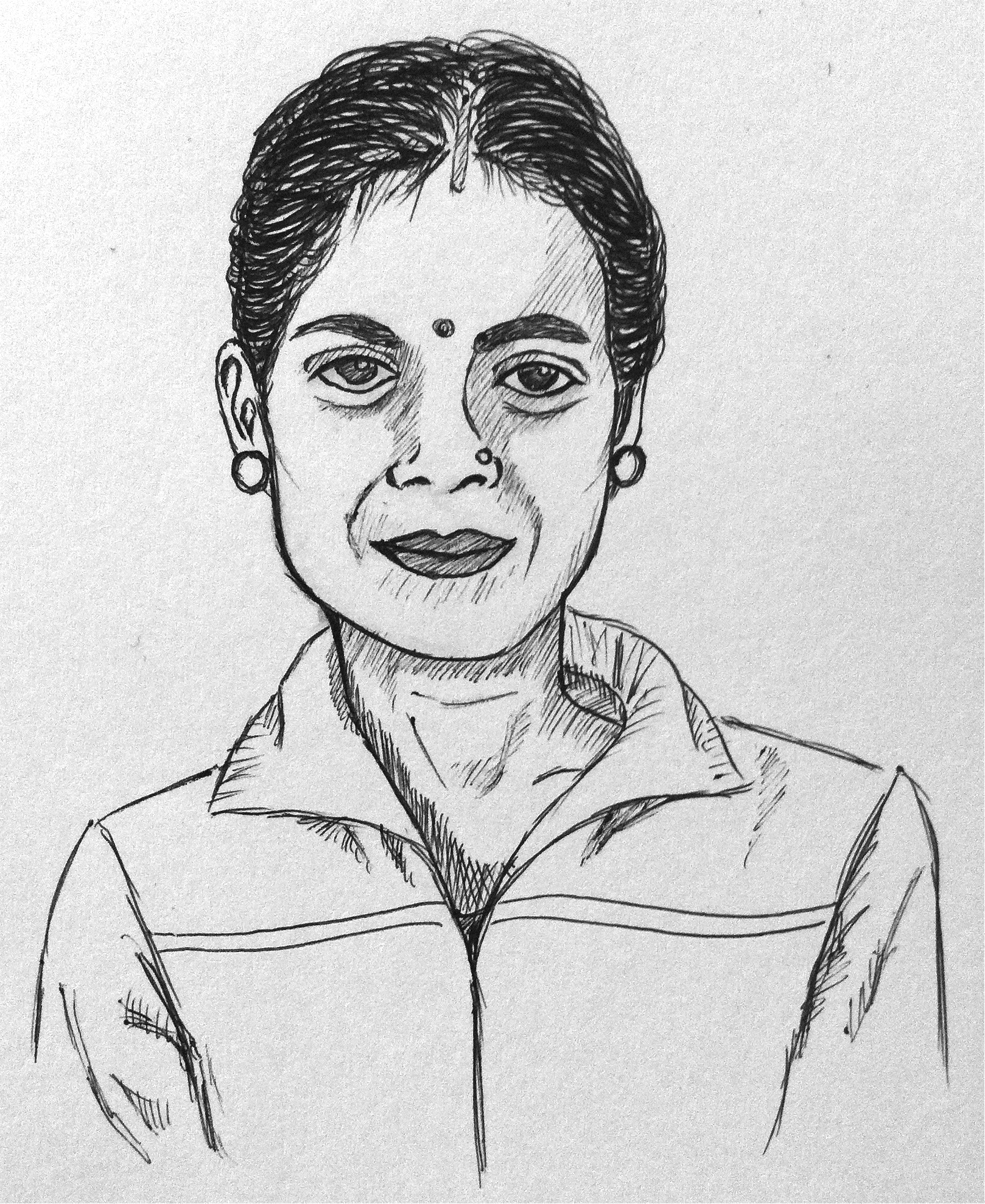
Sanju Kumari Das, Khulla Dharti host and producer
Sanju Kumari Das is a petite, soft-spoken woman, but don’t let that fool you. Hailing from Siraha, a volatile district in Nepal’s eastern Terai, this formidable 26 year-old commands the attention of political giants, helps end nationwide strikes, and is one only a handful of female radio show hosts in Nepal.
Sanju is a producer for the Farakilo Dharti franchise, one of Search’s peacebuilding radio talk shows in Nepal. While some talk shows hook listeners by inciting fights between guests, this weekly half-hour program does exactly the opposite; it promotes a culture of collaboration and reconciliation by holding solution-oriented dialogues between conflicting parties. Sanju has undergone Search’s peacebuilding training and applies the common ground approach to disputes on the program.
“It’s challenging to get people of opposing sides to come to an agreement, but it’s truly rewarding when it happens,” explains Sanju. “Agreement is difficult to achieve and should be celebrated.”
In hosting Khulla Dharti—the Maithili language version of the show—Sanju mediates clashes from high-level national politics down to local school affairs. While she doesn’t exaggerate the program’s impact—“one episode isn’t going to change everything”—she can recite an impressive list of resolutions between her guests. Once when political parties enforced nationwide strikes over a disagreement on the future federal states, Sanju invited party reps on the show to talk it out. This set a constructive precedent for subsequent talks, culminating in a multi-party agreement to end the strikes.
Many of Sanju’s guests have praised her accomplishments and mediation skills. This is all the more striking in a region where women are expected to be silent before men, contrary to Sanju’s highly public profile as a peacemaker. However, Sanju believes her gender and youth are irrelevant to the quality of the show, however. She coolly explains that, as long as the proper conflict resolution models are maintained, hosts young and old, male and female, would see similar results.
“I used to think I was always right, that my opinions were the most accurate. But producing Khulla Dharti has shown me that I make mistakes, that alternative views have just as much merit as my own. I’ve learned to listen to others, which is a crucial part of resolving any conflict.”
Sanju’s Khulla Dharti broadcasts via Radio Samagra, one of SFCG’s main local partners in southeast Nepal
Khulla Dharti has built a strong following, with listenership as high as 41% of all radio listeners in the eastern region of Nepal. Sanju credits the program’s emphasis on neutrality and constructive dialogue as the key to its appeal. Whether it’s critically or appreciatively, listeners are engaging with Khulla Dharti conversations. For now, they’re focused on getting Sanju back on air; the mother of two has been on maternity leave to look after her 8 month-old son. She plans on returning to Khulla Dharti soon.
Fourteen radio stations currently produce and broadcast Farakilo Dharti in three languages—Nepali (Farakilo Dharti), Maithili (Khulla Dharti), and Tharu (Chakkar Dharti)—tailoring their respective shows to the local context. Between April and June of 2013, 84% of FD episodes have led to an agreed solution between conflicting parties, while a 2013 listenership survey revealed that 80% of respondents continue the discussion with friends after listening to the show. Indeed, FD continues to have impact on its target communities, with marginalized groups across the country reporting that it gives their voices an otherwise unavailable platform.
Connect with Farakilo Dharti on the Web and on Facebook. All FD episodes are uploaded onto the website on a weekly basis and are available to any interested listener.
For more information contact Yubakar Rajkarnikar, Media Manager, SFCG Nepal | yrajkarnikar@sfcg.org
_________________________
Jiyoung Han was an intern for Search for Common Ground Nepal.
100 episodes: Radio bridges youth of DRC, Burundi & Rwanda
By : Whitney Skippings
“Generation Great Lakes opened my eyes, gave me a more positive vision on the role of the media involving Rwandan, Burundian, and Congolese youth in the reconstruction of their respective societies and across borders. Long live GGL!”
-Facebook commenter
 August 10th marked the 100th episode of Génération Grands Lacs (GGL), which producers used as an opportunity to recap the radio show’s greatest successes and flops. A multilingual broadcast in Rwanda, Burundi, and the Democratic Republic of the Congo, GGL manages to reach tens of thousands— if not millions— of listeners in the region.
This project specifically targets the quickly growing youth demographic in the region, fostering camaraderie and understanding across borders through discussion and debate. According to the National Youth Policy of Rwanda, over 65% of the Rwandan population is under 25 years old, implying that long-term peace in the region largely depend on mutual understanding of this age group. Rwanda’s youth boom is part of a larger trend in East Africa, where over 80% of the regional population is categorized as a “child or youth.” GGL launched in 2006 with this in mind. It provides an outlet for these future regional leaders, allowing their active participation in the show.
While text, phone calls, and email are a large part of audience contributions, social media is also integrated into GGL’s programming. An extraordinarily active Facebook page accompanies the radio show, where discussion topics build anticipation for the upcoming broadcast. Each week the production team posts the theme for the upcoming program, and listeners from across the region and the diaspora post their thoughts.
Over the last few years, broadcasts have tackled subjects such as arbitrary arrests, prostitution, drug trafficking, and other cross-cutting issues in the region, but the 100th episode took an introspective route. Instead of the usual provocative debates, this broadcast sought the listeners’ views about what part of the GGL programming meant the most to them.
On the Facebook group, listeners responded to the 100th broadcast status with many messages of thanks and encouragement, reinforcing the impact that GGL has on its target audience. One follower responded:
“Once again I say thank you for helping us better understand society outside our own in the DRC, Burundi, and Rwanda….”
Another commenter took the time to praise GGL:
“Time passes quickly; when I listened to GGL on Contact FM Kigali, I never thought that someday GGL would reach its 100th edition. I truly lack the words for the brave initiators of this program.”
Overall, the sentiment is overwhelmingly positive, crediting GGL with helping its listeners better comprehend the livelihoods of those beyond their borders. It is already clear that in the first 100 episodes, GGL has managed to shift the mentalities of its audience.
As a Masters student of International Security, initiatives such as GGL provide me with an opportunity to observe how the media can facilitate sustainable peace. GGL illustrates the effect that sensitive programming can have on an otherwise tense population. While it has not completely eliminated what are sometimes longstanding hatreds between parities, it makes significant strides in cultivating regional understanding. `
The Facebook page provides weekly directions for how to listen to GGL radio show. For those interested in listening to the program over the Internet, it is broadcast by these SFCG partners: www.isangostar.org, www.isanganiro.org, www.groupelavenir.cd, and www.mishapivoicetv.net
_________________________________________
 Born and raised in Silver Spring, Maryland, Whitney Skippings is a Regional Intern for SFCG, based in Kigali, Rwanda. She holds Bachelors degrees in Philosophy and International Studies from Spelman College. Currently, she is trudging her way through Georgetown University’s Security Studies Program with a concentration in terrorism and substate violence. This is her second foray in the region, after studying abroad in Kigali, and Gulu, Northern Uganda.
DRC: “Real Men” bring justice for women
By Julia Boccagno
Two Congolese women were enjoying an evening stroll until they noticed four shadows lurking behind them.
They knew what was coming.
They knew they would put up a powerless fight against the four burly soldiers who gained momentum with each and every step.
…
Unfortunately, this situation is not unique—over 200,000 innocent women and girls have been victims of rape and sexual aggression in the Democratic Republic of Congo (DRC), commonly perpetrated by the Congolese Army and armed militia groups.
In addition to the horror of rape, sexual and gender-based violence (SGBV) creates a social hierarchy between the male and female populations in the DRC. Men are usually immune to any sort of legal punishment while women are publicly stigmatized—seen as “impure”—and encouraged not to speak out against their perpetrator for fear of community isolation.
Aware of the topic’s sensitivity and complexity, Search took a multifaceted approach to tackling sexual and gender-based violence at the root level. Funded by the U.S. State Department, Search started a video campaign that educates police forces, soldiers and civilians about the importance of practicing legal accountability and protecting civilians.
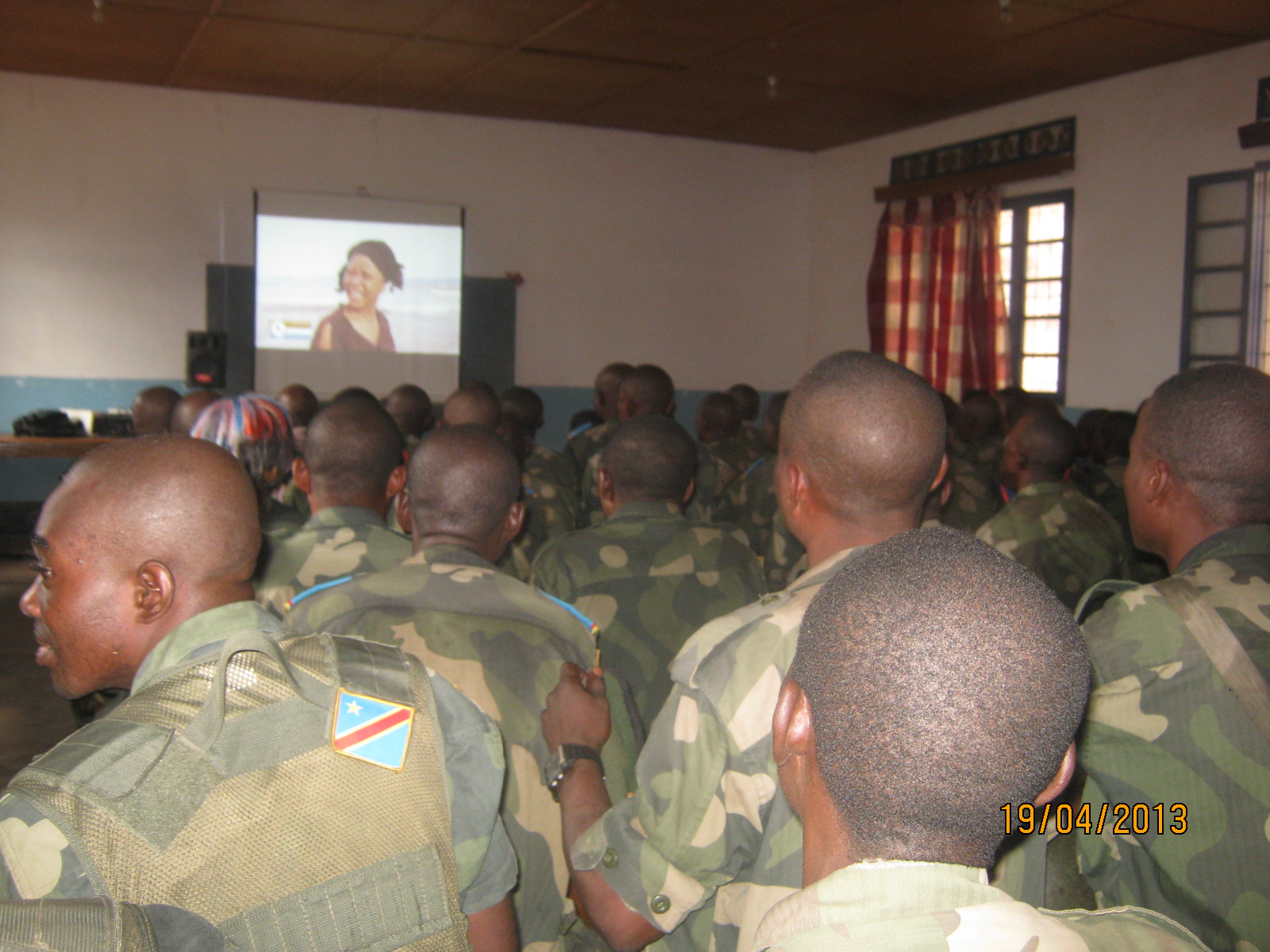
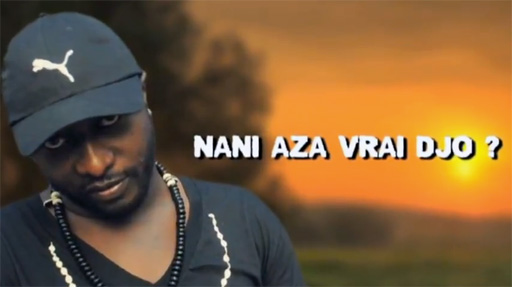
Public screenings of the video, “Vrai Djo,” translating to “Real Men,” were organized to promote males as positive role models. Search even partnered with local police forces to design screenings specifically for men, policemen and soldiers.
…
While returning from a video screening, a Search team in Kalemie witnessed the two innocent women being sexually harassed by the four soldiers. They pulled the car over in order to peacefully mediate the situation, but the soldiers turned their guns on the Search staff, forcing them to leave. Determined to do something, Search staffers went to the Commandant of the Army in the area. The Commandant himself had watched the Vrai Djo films and attended Search’s activities to prevent SGBV, so he was sensitive to the need to stop soldiers from committing SGBV against women.
The Commandant’s intervention was immediate. The soldiers were arrested and are currently pending legal action. He assured Search staff members that no perpetrator will live in impunity.
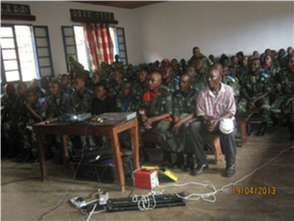 The following day the commandant of the army sought out Search Kalemie staff and thanked them. He admitted that without the awareness campaign, he would probably not have reacted to the incident and asked for more screenings to be organized for other units of soldiers.
Search is now organizing those new screenings. When men, whether soldiers or civilians, comment on the incident, they point out that their attitude was a disgrace to soldiers and men in general; a soldier should be a “Real Man” protecting women instead of harming them.
…
To date, Vrai Djo screenings have reached almost 50,000 people, both men and women, who now discuss SGBV and the positive roles men should play to prevent them.
Click below, to watch the Vrai Djo videos.
__________________________________________________
As a rising American University junior, Julia Boccagno majors in Broadcast Journalism and double-minors in International Studies and Italian with the hopes of becoming a future foreign correspondent. She firmly believes that objective news reporting is a vital tool within the peace and conflict resolution conversation. She is currently the New Media Intern at Search for Common Ground.
From guerrilla fighter to N-Peace Awardee: The “Compassionate Older Sister” of Timor Leste
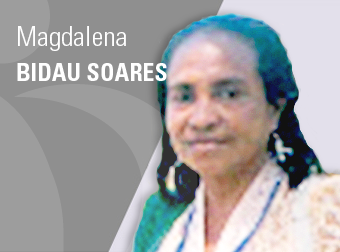
Magdalena Bidau Soares, N-Peace Awardee
Magdalena Bidau Soares, now affectionately known as “Mana Kasian” (Compassionate older sister), never attended school.
During the 1975 outbreak of war, she fled her village as a refugee. Instead of learning basic math and grammar, she trained as a guerrilla fighter in the mountains of Timor-Leste.
During the course of the war she was shot, captured, tortured and imprisoned. Upon her release she joined the clandestine resistance movement for women “Popular Women’s Organization Timor” (OPMT).
Since the cessation of hostilities in 1999, she has devoted her life to improving the well-being of those in her community. She founded Feto Haluk Hadomi Timor for the widows of ex-combatants, enabling them to learn sewing, basket weaving, crop-growing and other income-generating activities. She plans to construct a road to link her village with others, so that the communities can connect and sell their products at the markets too.
Even though Magdalena is illiterate, it has not stopped her from founding a pre-school and a junior school for children in her area. Operating on a shoestring budget these schools offer the only local educational opportunities for young children (particularly girls) in her area.
Founding the schools has used all of the meager funds Magdalena has access to – leaving almost nothing for herself. She lives a very simple life as a villager, even sharing a house with others. However, the amount that she is respected and admired by her community is priceless.
Magdalena dedicates her life to the ongoing struggle for peace, unity and women’s rights in Timor-Leste.
Search for Common Ground partners with United Nations Development Programme and other organizations to support the N-Peace Awards. Stay tuned for a short documentary on Magedalena coming soon.
For more profiles of N-Peace Awardees, click here.