
Peace, Human Rights and The Nobel Peace Prize

(from reuters.com)
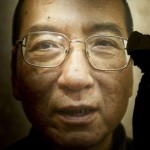
Today the imprisoned Chinese dissident Liu Xiaobo, 54, won the 2010 Nobel Peace Prize for “his long and nonviolent struggle for fundamental human rights.”
Liu’s first political arrest came in 1989 for his participation in the Tiananmen Square protests. Since then he has been repeatedly arrested for his outspoken critiques of China’s communist regime. In December 2009, He was sentenced to (and is currently serving) 11 years in prison for inciting subversion of state power. This arrest was due to his role in drafting Charter 08, which calls for human rights and democratic reforms in China. Because he is forbidden from speaking about current affairs with visitors in prison, it is unlikely that he even knows he won the award.
“There is a close connection between human rights and peace,” the committee said. They also spoke admirably about China’s growth in recent decades, but lamented that political freedoms had not grown equivalently. Liu’s own struggle had been emblematic of the connection between peace and human rights as he has long been an advocate of peaceful political change rather than violent confrontation.
The prize is has enraged the Chinese government which had warned the Nobel committee that honoring a “criminal” would sour Chinese-Norwegian relations.
What do you think about the choice? And the connection between peace and human rights? It would, in fact, be quite easy to have peace—so far as it means the absence of violence and unrest—without substantial human rights. But would that be sustainable? China claims there are no dissidents in China, just people who break the law.
The Guardian has a great video of the announcement. Check it out!



Comments are closed.